Black Mold Removal in Essex County, NJ
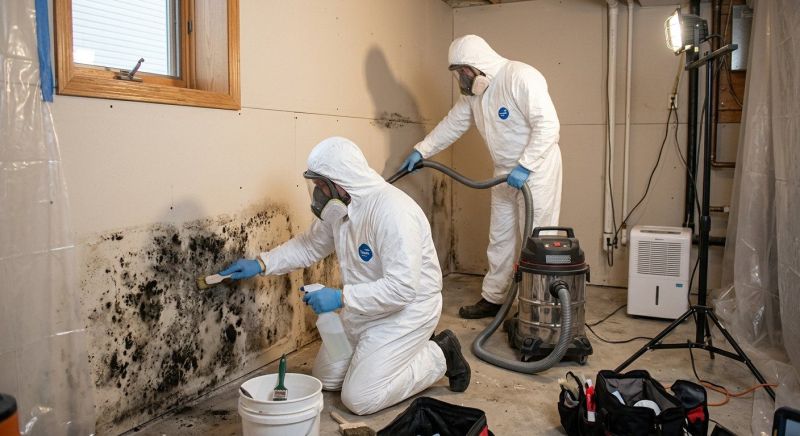
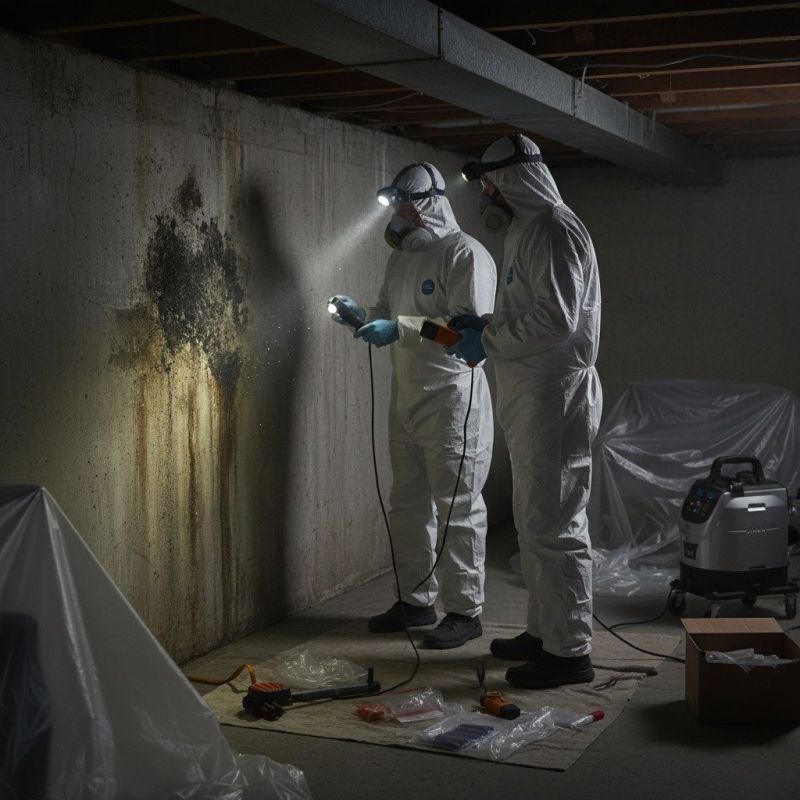
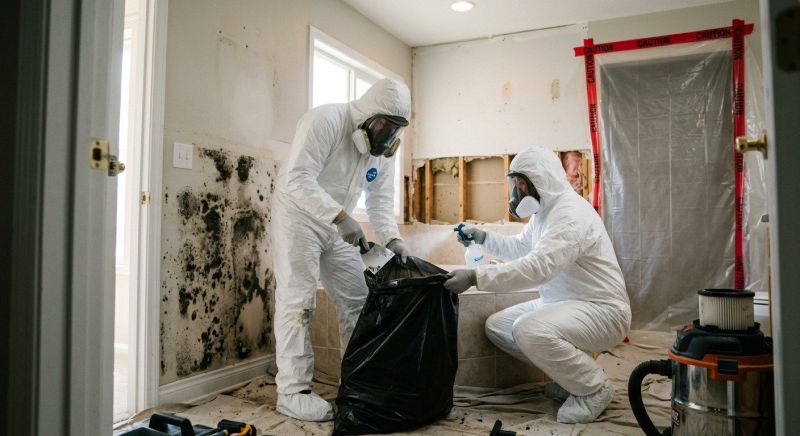
Black mold removal services focus on identifying and eliminating mold growth caused by excess moisture, typically found in areas like bathrooms, basements, attics, and around plumbing leaks. These projects often involve thorough inspection, containment to prevent spread, mold removal, and surface cleaning to ensure the affected areas are safe and free from mold spores. Property owners considering this service should understand that the process aims to improve indoor air quality and prevent potential health issues related to mold exposure, especially for individuals with allergies or respiratory sensitivities.
Before requesting black mold removal, homeowners and property owners usually want to know about the extent of mold growth, the types of surfaces affected, and the underlying moisture issues contributing to mold development. Clear communication about the scope of work, including whether removal involves only surface cleaning or requires more extensive remediation, is important. Understanding these aspects helps ensure the project addresses both visible mold and any hidden sources of moisture that could lead to future growth.
Many property owners in Essex County, NJ look into Black Mold Removal for repairs, replacements, upgrades, and appearance-related improvements.
Identifying Black Mold
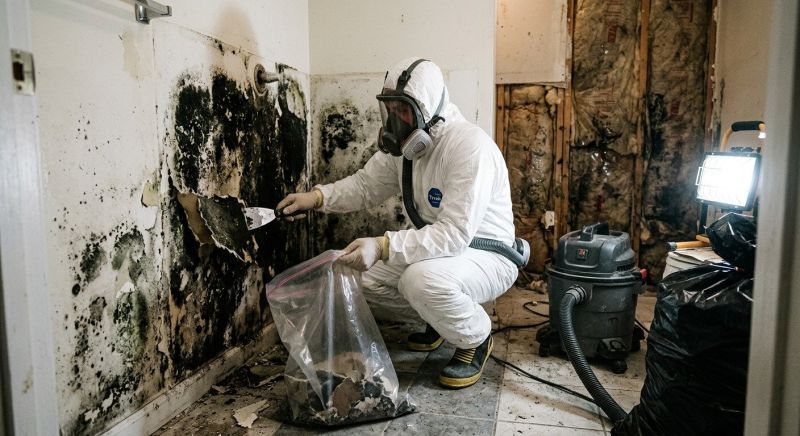
Signs of black mold include musty odors and visible dark spots on walls or ceilings.
Health Risks And Precautions
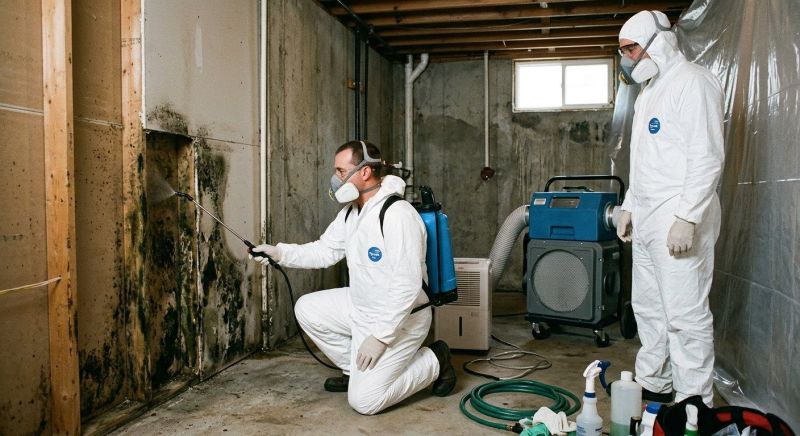
Black mold exposure can cause respiratory issues, especially in sensitive individuals and children.
Effective Removal Methods
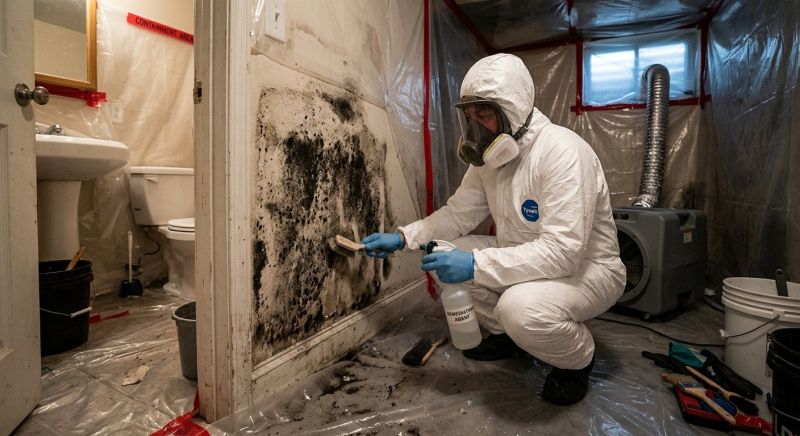
Professional black mold removal involves thorough cleaning and proper containment to prevent spread.
Black Mold Removal in Essex County, NJ
Black mold removal services focus on identifying and eliminating mold growth caused by excess moisture, typically found in areas like bathrooms, basements, attics, and around plumbing leaks. These projects often involve thorough inspection, containment to prevent spread, mold removal, and surface cleaning to ensure the affected areas are safe and free from mold spores. Property owners considering this service should understand that the process aims to improve indoor air quality and prevent potential health issues related to mold exposure, especially for individuals with allergies or respiratory sensitivities.
Before requesting black mold removal, homeowners and property owners usually want to know about the extent of mold growth, the types of surfaces affected, and the underlying moisture issues contributing to mold development. Clear communication about the scope of work, including whether removal involves only surface cleaning or requires more extensive remediation, is important. Understanding these aspects helps ensure the project addresses both visible mold and any hidden sources of moisture that could lead to future growth.
Many property owners in Essex County, NJ look into Black Mold Removal for repairs, replacements, upgrades, and appearance-related improvements.
Common Black Mold Removal Jobs
Black Mold Remediation - removal of mold growth from indoor surfaces to improve air quality.
Bathroom Mold Cleanup - targeted mold removal in high-moisture areas like showers and tubs.
Basement Mold Treatment - addressing mold issues in damp, poorly ventilated basement spaces.
Attic Mold Removal - eliminating mold caused by roof leaks or poor insulation in attic areas.
HVAC Mold Cleaning - cleaning and disinfecting ductwork to prevent mold spores from spreading.
Emergency Mold Response - rapid intervention for mold growth caused by leaks or flooding incidents.
Black Mold Removal Questions
What causes black mold to grow indoors? Black mold thrives in areas with moisture, such as bathrooms, basements, and around leaks or water damage.
How can property owners identify black mold? Signs include visible black or dark green patches, musty odors, and increased allergy symptoms indoors.
Is black mold dangerous to health? Exposure can cause allergic reactions, respiratory issues, and other health concerns, especially for sensitive individuals.
What areas are typically treated during black mold removal? Commonly treated areas include walls, ceilings, bathrooms, and any surfaces with visible mold growth or moisture issues.
Request Black Mold Removal in Essex County, NJ
Use the quote form on this page to share the basics of your project and request more information for the type of work you need.